Best Practices for Choosing an Indoor Cannabis Cultivation Design Firm
Selecting the right company for your indoor cannabis cultivation design is a pivotal decision that can influence the efficiency, compliance, and profitability of your licensed cannabis cultivation facility. A well-designed facility not only ensures optimal plant health but also aligns with regulatory standards and operational goals. Here’s a comprehensive guide to help you make an informed choice.
1. Prioritize Industry Experience and Specialization
When evaluating potential design firms, prioritize those with a proven track record in cannabis cultivation facility design and engineering. Experience in the cannabis industry ensures familiarity with its unique challenges, such as compliance with local and state regulations, security requirements, and specialized environmental controls. For instance, firms like DRM have demonstrated expertise in designing cultivation facilities that meet stringent state-specific requirements. They also are in tune with the needs and demands of the cultivator and will incorporate those unique items correctly and efficiently. Knowing these is great detail we can cut back on waste full equipment that can exceed 10-20% of budget costs due to lack of code knowledge and how it directly relates to a cannabis facility.
2. Assess Comprehensive Service Offerings
A reputable firm should offer a full spectrum of services, including:
- Site Evaluation: Assessing zoning laws, utility capacities , and environmental conditions.
- Design and Layout: Creating efficient workflows, optimizing space utilization, and ensuring scalability for those who are needing to phase out the build.
- Engineering and Compliance: Designing HVAC systems, electrical setups, and ensuring adherence to safety and regulatory standards for things like ADA and structural grey areas.
- Project Management: Providing construction support, coordinating with contractors as needed, and ensuring timely attention is given until project completion.
For example, DRM emphasizes the importance of integrating environmental controls, sustainability, and security measures into the design process.
3. Evaluate Design Flexibility and Scalability
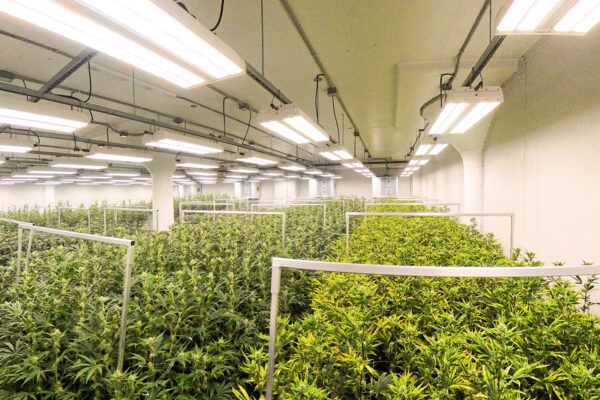
The cannabis industry is dynamic, with evolving regulations and market demands. Choose a firm that designs adaptable and scalable cultivation facilities. This flexibility allows for future expansions, changes in cultivation methods, or shifts in product lines without significant overhauls. Thoughtful design can foster an environment where plants thrive, yields maximize, and operational efficiency is seamless.Take it a step further and you will be reminded how to be realistic with your venture. It is not always the best choice to shut down a cash cow to swap out equipment and learn the room dynamics from scratch. Sometimes it is better to let the room stay single tier and change out the next one during expansion.
4. Ensure Regulatory Compliance Expertise
Navigating the complex landscape of cannabis regulations is crucial. A proficient design firm should be well-versed in local, state, and federal requirements. They should assist in preparing necessary documentation, such as site plans, security protocols, and operational workflows, to facilitate the licensing process. Also ensure your selected firm specializes in ensuring that facility designs meet your state’s cannabis cultivation requirements. This is even more critical when stepping in the GMP and GACP ring on the medicinal level, the essential upgrades are no longer an option at this point so move forward with the ones that are known to work rather than throw money at something in hopes of making it.
5. Review Portfolio and Client Testimonials
Examine the firm’s previous projects to gauge their capability and style. A diverse portfolio showcasing various facility sizes, designs, and complexities indicates versatility. Client testimonials can provide insights into the firm’s professionalism, adherence to timelines, and post-project support. Being a grower is great with understanding how to grow, but having worked with hundreds of growers ranging in sizes from 5k to 500k square feet is an entirely different level of skill set.
6. Consider Sustainability and Energy Efficiency
With increasing emphasis on environmental responsibility, it’s essential to select a firm that incorporates sustainable practices into their designs. This includes energy-efficient HVAC systems, water conservation methods, and the use of renewable energy sources. Incorporating these elements not only reduces operational costs but also aligns with eco-conscious consumer preferences. DRM highlights the importance of sustainability in modern facility design while respecting the budget of the project.
7. Evaluate Post-Design Support and Training
A successful partnership extends beyond the design phase. Ensure the firm offers post-design support, including staff training, troubleshooting, and operational optimization. This ongoing assistance can be invaluable in addressing unforeseen challenges and ensuring smooth facility operations. Firms like DRM provide comprehensive support, from initial design to post-construction guidance.
Conclusion
Choosing the right indoor cannabis cultivation design firm is a critical step in establishing a successful cultivation facility. By prioritizing industry experience, comprehensive services, design flexibility, regulatory expertise, and sustainability, you can ensure that your facility operates efficiently, remains compliant, and meets the evolving demands of the cannabis industry. Engaging with an experienced firm like DRM Design with more than 25 years of experience can provide the expertise and support necessary to bring your vision to fruition.